

Published by HARIMANTA
Polycystic Ovary Syndrome (PCOS) is one of the most common hormonal disorders affecting women of reproductive age. It can influence menstrual regularity, skin health, metabolism, and overall well-being. While every woman’s experience is different, adopting a healthy lifestyle along with traditional wellness practices may help support hormonal balance.
What is PCOS?
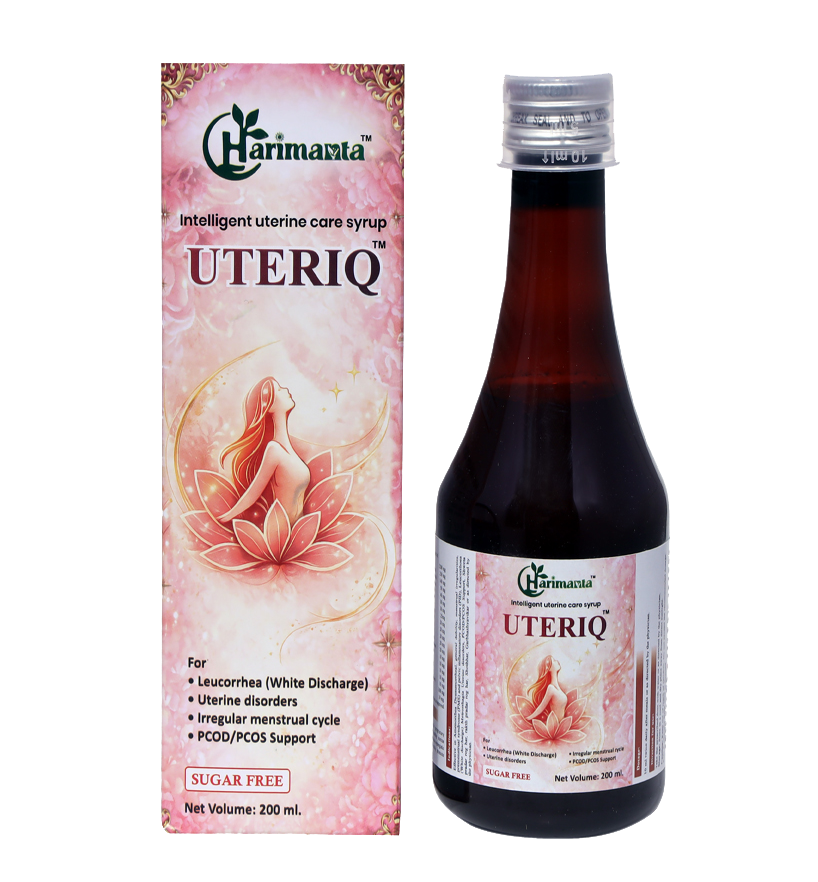
PCOS is a condition associated with hormonal imbalance that may lead to:
* Irregular menstrual cycles
* Acne and oily skin
* Excess facial or body hair
* Weight gain or difficulty managing weight
* Ovarian cysts in some women
If you experience persistent symptoms, consult a qualified healthcare professional for proper evaluation.
Ayurveda’s Perspective
Ayurveda focuses on maintaining balance within the body through diet, lifestyle, and herbs. Rather than addressing a single symptom, Ayurvedic principles emphasize supporting overall reproductive health and digestive wellness.
Traditional Ayurvedic herbs commonly associated with women’s wellness include:
* Ashoka
* Lodhra
* Shatavari
* Ashwagandha
* Amla
These herbs have been traditionally used in Ayurveda to support female reproductive health. Their use should always be guided by a qualified healthcare practitioner.
Lifestyle Tips
Healthy daily habits may support hormonal wellness:
* Eat balanced, nutritious meals.
* Exercise regularly.
* Maintain a healthy body weight.
* Get adequate sleep.
* Practice yoga or meditation to manage stress.
* Stay hydrated throughout the day.
Takeaway
Hormonal health is influenced by multiple factors, including nutrition, lifestyle, sleep, and stress management. Ayurveda offers a holistic approach that complements healthy living. If you have concerns about menstrual health or PCOS, consult your healthcare provider for personalized guidance.